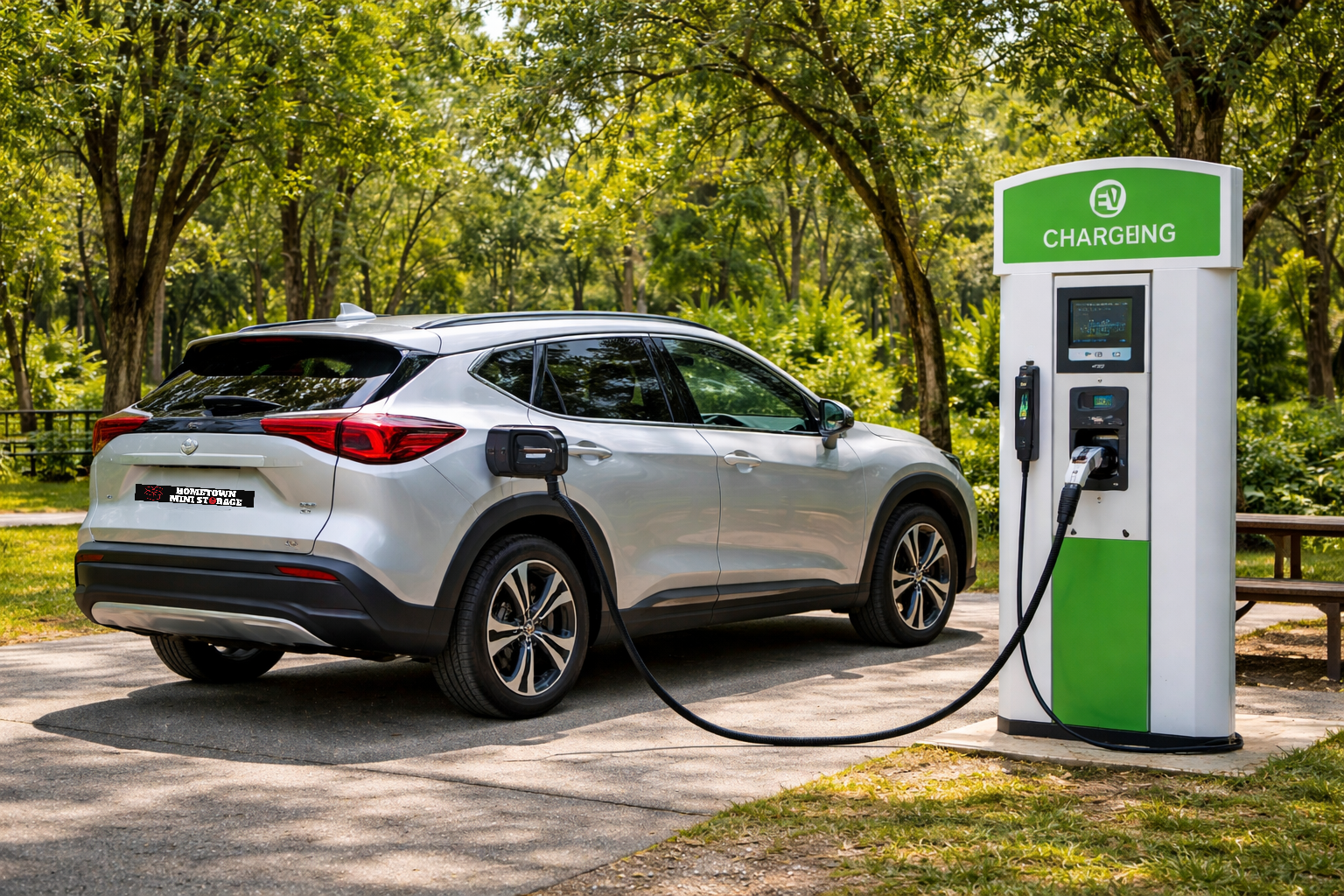
Electric vehicles (EVs) are changing the way we hit the road—especially in scenic, rural regions like North Florida. But before you set out for that peaceful stretch of I-75 or the winding backroads of Hamilton County, it’s important to plan ahead. Here are the top 3 things to check off before your next EV road trip:
Unlike traditional gas stations, EV charging stations can be few and far between—especially in rural areas. Before heading out:
Use apps like PlugShare, ChargePoint, or your vehicle's built-in nav system to locate fast chargers.
Look for Level 3 DC Fast Chargers for quicker turnaround.
Check reviews and photos—some chargers may be out of order or difficult to access.
Pro tip: Always have a Plan B in case a charger is occupied or offline.
Know your EV’s real-world range—not just the number on the screen. Things like terrain, weather, and how fast you’re going can all impact how far you can drive.
Highway driving drains battery faster than city cruising.
Use eco-driving modes to stretch your range.
Make sure your charging cable and adapters are packed and working.
A good rule of thumb: Don’t wait until you're below 20% to start looking for a charger.
Even with fast charging, you’ll likely spend 20–60 minutes waiting. Why not use that time wisely?
Pack snacks, drinks, or even a picnic basket.
Download offline playlists, podcasts, or movies.
Research things to do nearby while your car charges.
In towns like Jasper or Live Oak, you might find local diners, parks, or even a flea market just steps away from the charger!
Bonus Tip: If you're storing an EV long-term, make sure your storage facility allows trickle charging—or at least indoor parking to protect from extreme temps. Some folks even keep an EV charger mounted in a garage-style storage unit.
A little planning goes a long way when it comes to EV travel. Whether you’re heading north to Georgia or beach-bound toward the Gulf, these quick checks will make your next adventure stress-free and battery-efficient 🔋🌴
